









Best Cultural Destinations in Europe 2026
Best European Cultural Destinations 2026 - Top 10 Cultural Cities
Looking for the perfect European city break in 2026 — where art, heritage, and creativity meet authentic local life? Discover the Best European Cultural Destinations, a selection celebrating Europe’s most inspiring cultural destinations.
The method behind the ranking:
We began with 40 standout cities — from major capitals to hidden gems — assessed through measurable cultural indicators such as museum density,
diversity of cultural venues, and the richness of their year-round festival calendar.
From this longlist, our cultural experts evaluated each destination’s heritage value, contemporary creativity, visitor experience, and international cultural relevance, selecting ten finalists with the strongest cultural identity.
Finally, 22,093 travellers from 131 countries rated these ten cities based on their desire to visit in 2026, the authenticity of cultural atmosphere, and their overall cultural appeal, forming a balanced score shared equally between expert assessment and traveller insight.
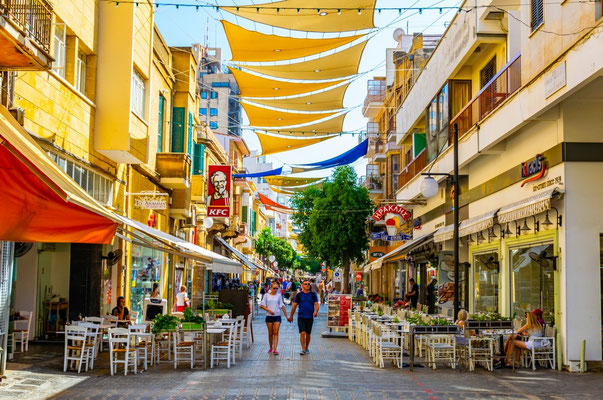
At the top of the list, Nicosia shines as a bridge between eras and influences — a city where Byzantine heritage, contemporary art and Mediterranean warmth blend seamlessly. From the Leventis Museum to open-air performances at the Nicosia International Festival, culture here feels both timeless and alive. As Visit Nicosia puts it, it’s “a city where every street corner tells a story.”
Other highlights include Florence and Vienna, where artistic excellence never fades; Verona, Tomar, and Šibenik, rich in history and soul; and Leuven, Graz, Rouen, and Oxford, where innovation meets tradition.
Together, these ten destinations offer a curated journey through Europe’s most vibrant cultural destinations — sophisticated, creative, and endlessly inspiring.
Cultural Destinations Scores 2026 — Expert & Traveller Breakdown
Each city receives two ratings — Expert Score and Traveller Score — each weighted equally to produce the Final Cultural Score (out of 20).



1. Nicosia
Cyprus

Nicosia: The Cultural Heart of a Modern Mediterranean
Expert Score: 18.8 / 20
Traveller Score: 18.4 / 20
Final Cultural Score: 18.6 / 20
Why it stands out: Experts praise Nicosia for its exceptional blend of heritage and contemporary creativity, while travellers love its warmth, authenticity, and uniquely Mediterranean cultural atmosphere.
Best Cultural Destination in Europe 2026
Awarded Best Cultural Destination in Europe 2026, Nicosia stands out as a living cultural city — a place where creativity is produced, shared and celebrated daily.
This distinction recognises Nicosia’s exceptional cultural vitality: its creative-friendly ecosystem, its dynamic calendar of festivals and events, and its capacity to turn culture into a lived experience rather than a static heritage.
Where History Fuels Creative Expression
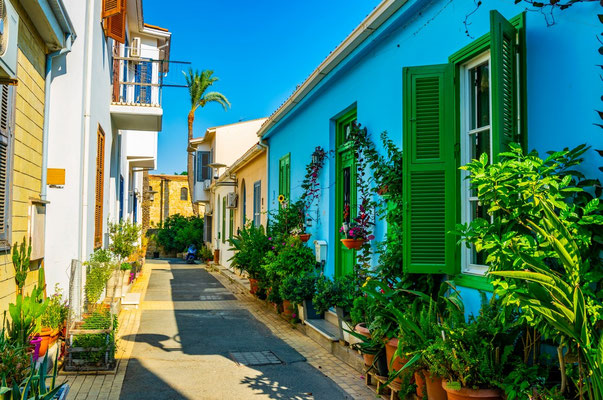
Few European cities offer such a fluid dialogue between history and contemporary life. Within the Walled City, Venetian fortifications and centuries-old architecture form a powerful backdrop — not frozen in time, but continuously reactivated by cultural use.
Beyond the walls, Nicosia reveals a youthful and intellectual capital shaped by universities, research centres and creative initiatives. Here, heritage is not only preserved; it becomes a foundation for new artistic expression, experimentation and exchange.
A Creative-Friendly City
Recognised as a creative-friendly destination, Nicosia has developed a cultural ecosystem where artists, designers, performers and entrepreneurs collaborate naturally.
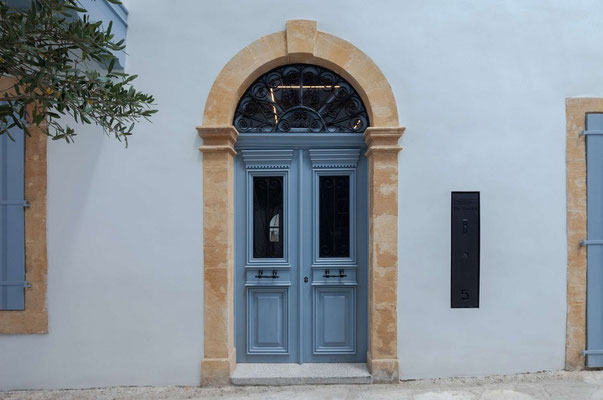
Creative workshops led by local artists, open studios, pop-up exhibitions and participatory cultural projects invite visitors to move from spectators to participants. Historic buildings have been reimagined as ateliers, galleries, concept cafés and cultural hubs, reinforcing the city’s human-scale creative energy.
This openness — blending Mediterranean warmth with contemporary creativity — gives Nicosia its distinctive cultural signature.
A City of Festivals and Cultural Events
Cultural events are central to Nicosia’s identity. Through its strategic approach to the festivalisation of the cultural tourist product, the city has embraced a year-round programme of festivals, performances and creative gatherings.
Music, theatre, dance, film, contemporary art and interdisciplinary events animate public spaces throughout the seasons, transforming streets, squares and heritage sites into open cultural stages. This continuous rhythm of events positions Nicosia as a destination where culture is experienced in motion — dynamic, accessible and inclusive.
Taste Nicosia — Culture Through Flavour
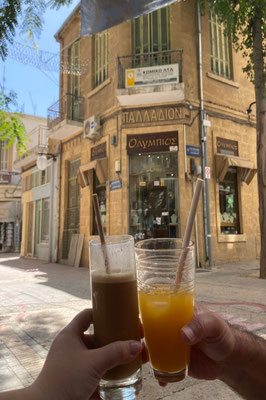
Nicosia’s cultural identity also expresses itself through taste. Recently awarded as a Culinary Capital and recognised as Best Beverage Experience Destination 2024, the city has gained international attention for its vibrant cocktail scene and the quality of its local raw materials.
Innovative mixology, creative use of Mediterranean ingredients and a new generation of chefs and bartenders contribute to a gastronomic landscape that reflects Nicosia’s creativity, diversity and contemporary spirit.
A Short Break with a Lasting Impression
Compact, walkable and welcoming, Nicosia is ideal for a cultural short break that leaves a lasting impression.
Throughout the year, museums, galleries and creative venues reveal Cyprus’ artistic identity — from antiquity to the avant-garde — while seasonal events bring the city’s cultural life into the streets. In winter, festive villages and cultural celebrations add warmth and authenticity, reinforcing the city’s sense of community.
The Brightest Capital of Europe
Bathed in Mediterranean light for most of the year, Nicosia is often described as Europe’s brightest capital — not only literally, but culturally. It is a city that thinks, feels and creates.
By uniting history and innovation, creativity and participation, tradition and bold cultural programming, Nicosia stands as one of Europe’s most distinctive cultural destinations today.
For more information, visit
www.visitnicosia.com.cy
How to get there: Book your flights to Larnaca or Paphos (1 hour from Nicosia).
Where to stay: Inside the Walled City for authenticity, or at the MAP Boutique Hotel for contemporary luxury.

2. Florence
Italy
Florence: Where Art, Taste and Time Converge
Expert Score: 19.6 / 20
Traveller Score: 17.3 / 20
Final CulturalScore: 18.45 / 20
Why it stands out: Experts highlight Florence as a global benchmark of artistic excellence, while travellers are drawn to its timeless beauty, culinary elegance, and immersive cultural charm.
Few cities embody culture as naturally as Florence. One of the Best Cultural Destination in Europe, this Tuscan gem continues to set the standard for artistic heritage and creative living.
Every walk through its cobbled streets feels like a dialogue between centuries — between the genius of Michelangelo and the energy of a city that still dares to innovate.
Inside the Uffizi Galleries, masterpieces by Botticelli and Leonardo da Vinci trace the birth of humanism. A few steps away, the Galleria dell’Accademia reveals Michelangelo’s David, carved with the precision and courage that defined the Renaissance spirit. But Florence isn’t frozen in time — contemporary galleries like Centro Pecci and Aria Art Gallery bring new voices into the city’s creative conversation.
And then, there’s the food — as refined as the art that surrounds it. Order a bowl of ribollita, the slow-cooked Tuscan vegetable soup that locals cherish in winter, or pappardelle al cinghiale, pasta with wild boar sauce, a dish that tells of forests and tradition. For dessert, a scoop of pistachio gelato enjoyed near Piazza della Signoria might be the most elegant way to experience la dolce vita.
Florence is also a city for living beautifully. Its artisans craft leather by hand, its cafés turn espresso into ritual, and its skyline — crowned by Brunelleschi’s dome — reminds visitors that beauty here is not decoration but identity.
How to get there: Book your flights to Florence Airport (Peretola – FLR). The city centre is only 20 minutes away by taxi or tram. Travelling from Rome or Milan, the high-speed train brings you directly to Firenze Santa Maria Novella in under 90 minutes.
Where to stay: For a refined experience, stay at the Four Seasons Hotel Firenze, a 15th-century palazzo surrounded by private gardens, blending Renaissance architecture with contemporary elegance.

3. Vienna
Austria
Vienna: Elegance in Motion
Expert Score: 19.2 / 20
Traveller Score: 17.5 / 20
Final Cultural Score: 18.35 / 20
Why it stands out: Experts admire Vienna’s harmonious dialogue between classical heritage and modern creativity; travellers appreciate its refined atmosphere, landmark museums, and graceful cultural rhythm.
Vienna doesn’t simply preserve its history — it performs it. Every square, café and concert hall feels like part of a larger composition where art, architecture and taste play in harmony. One of the Best European Cultural Destination balances refinement and reinvention with effortless grace.
In the Museum Quarter, contemporary galleries stand shoulder to shoulder with the Leopold Museum and its collection of Egon Schiele and Gustav Klimt — proof that modernity and memory can share the same address.
A short walk away, the Kunsthistorisches Museum reveals centuries of artistic brilliance, while the Albertina connects imperial grandeur with new exhibitions that keep Vienna’s creative dialogue alive.
But culture here also lives around a table. The city’s rhythm slows in its legendary cafés, where marble counters and velvet banquettes invite you to linger over a Wiener Melange and a slice of Sachertorte. In the evening, the same tradition of elegance continues in classic restaurants serving Tafelspitz, veal simmered in broth, or crisp Wiener Schnitzel — dishes that have become as emblematic as the city’s symphonies.
Vienna is made for wandering without hurry. Between a palace visit and a glass of Grüner Veltliner in a leafy wine tavern, you realize the city’s charm lies not in spectacle, but in cadence — a quiet luxury shaped by beauty, balance and time.
How to get there: Book your flights to Vienna International Airport (VIE). The city centre is about 20 minutes away by City Airport Train or taxi.
Where to stay: Stay at the Park Hyatt Vienna, a five-star hotel housed in a former bank in the Golden Quarter.
4. Leuven
Belgium
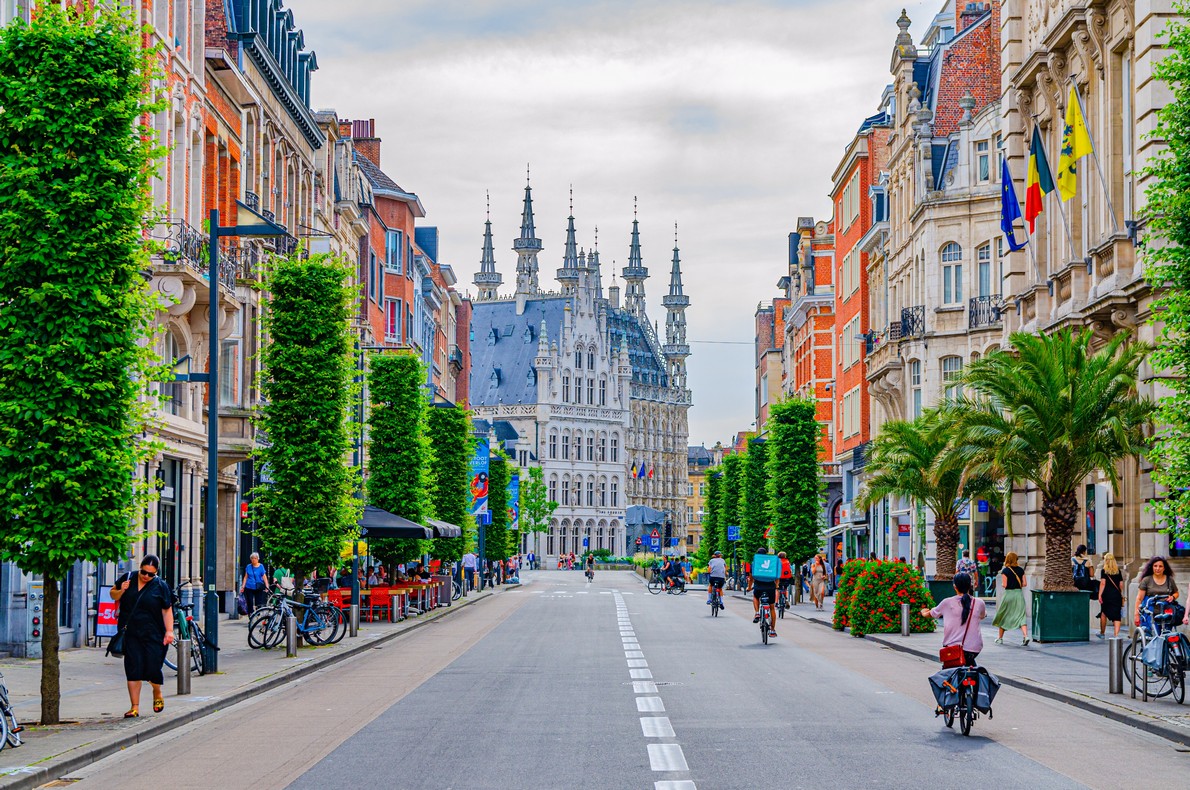
Leuven: Where Europe’s Future of Culture Begins
Expert Score: 18.3 / 20
Traveller Score: 17.0 / 20
Final Cultural Score: 17.65 / 20
Why it stands out: Experts recognize Leuven as one of Europe’s most innovative cultural ecosystems, while travellers enjoy its youthful energy, open-minded spirit, and accessible cultural scene.
When the European jury announced its verdict for the European Capital of Culture 2030, one thing became clear: the future of European culture isn’t built on nostalgia, but on openness.
Leuven — a city of students, scientists, artists, and dreamers — triumphed over Namur, the
picturesque but more introspective capital of Wallonia.
While Namur remains a charming belle endormie, Leuven has positioned itself as a laboratory of coexistence — multicultural, sustainable, and emotionally intelligent.
The city’s winning proposal wasn’t about fireworks or grand stages, but about people: how art, science, and community can shape a shared future. It’s a victory not just of culture, but of mindset.
Walking through Leuven feels like stepping into a modern European ideal. Gothic spires meet solar panels, street art meets university cloisters, and cafés hum with conversation in half a dozen languages. The M-Museum connects past and present with exhibitions that mix old masters and digital art; the STUK Arts Center reinvents performance through collaboration and experimentation. Everywhere, there’s a quiet confidence that progress can be beautiful.
Leuven’s energy is contagious. It doesn’t shout, it doesn’t try to impress — it simply invites you to join. For visitors, the reward is a city that lives at human scale: green, creative, open-minded, and quietly radical.
How to get there: Book your flights to Brussels Airport (BRU), then drive or take the direct train — you’ll be in Leuven in just 20 minutes.
Where to stay: Consider Pentahotel Leuven, located at Alfons Smetsplein 7 in the heart of Leuven. This modern 4-star hotel blends contemporary style with comfort: you’ll find spacious air-conditioned rooms, a vibrant lounge

5. Sibenik
Croatia
Šibenik: The Adriatic’s Quiet Masterpiece
Expert Score: 17.8 / 20
Traveller Score: 17.3 / 20
Final Cultural Score: 17.55 / 20
Why it stands out: Experts value Šibenik for its rare combination of UNESCO heritage and contemporary revitalization; travellers love its Adriatic setting, festivals, and historic atmosphere.
Among Croatia’s coastal cities, Šibenik stands apart. Overlooking the Adriatic with its maze of stone alleys and sunlit terraces, it’s not just a seaside escape — it’s a cultural revelation. Once a European Capital of Culture finalist, Šibenik has emerged as a model for how heritage, design and sustainability can coexist naturally.
Its UNESCO-listed Cathedral of St. James remains one of the most extraordinary Renaissance buildings in the Balkans, while the restored St. Michael’s Fortress now hosts open-air concerts above the sea. The city’s creative energy continues in its art galleries, concept cafés and small studios hidden among terracotta rooftops.
Food here tells the same story of authenticity: Dalmatian seafood, olive oil, figs, and crisp white wines from nearby vineyards define a cuisine that feels both ancient and effortless. Dinner at sunset — grilled sea bass and a glass of Pošip — becomes an act of quiet perfection.
How to get there: Book your flights to Split Airport (SPU), then drive just one hour along the coast to reach Šibenik.
Where to stay: Stay at the Bellevue Superior City Hotel, a refined 4-star property overlooking the sea promenade.

6. Verona
Italy
Verona: A Symphony of Stone and Sound
Expert Score: 17.2 / 20
Traveller Score: 17.7 / 20
Final Cultural Score: 17.45 / 20
Why it stands out: Experts highlight Verona’s architectural harmony and cultural depth, while travellers feel captivated by its opera heritage, romantic ambiance, and vibrant Italian lifestyle.
There’s a rhythm to Verona that no other Italian city quite matches — a balance between opera and everyday life, ancient stone and quiet refinement. It’s a city that doesn’t rush to impress; it simply unfolds, like a melody you already know by heart.
Once a Roman stronghold, now a UNESCO World Heritage Site, Verona has preserved its architectural harmony with exceptional grace. The Arena di Verona, built in the first century, still hosts open-air opera nights that fill the summer air with Puccini and Verdi. By day, elegant squares like Piazza delle Erbe and Piazza dei Signori reveal frescoed façades, shaded cafés and artisan shops — timeless scenes of northern Italian life.
But Verona’s artistry extends to the table. A bowl of risotto all’Amarone, rich with local wine, tells as much about the region’s soul as any fresco. The nearby Valpolicella hills add their own poetry — vineyards rolling toward Lake Garda, where the light softens everything it touches.
Compact, walkable and exquisitely preserved, Verona invites you to live slowly, to listen, and to let beauty set the tempo.
How to get there: Book your flights to Verona Villafranca Airport (VRN), just 15 minutes from the city centre by taxi or shuttle.
Where to stay: Stay at the Hotel Indigo Verona – Grand Hotel des Arts, a stylish 4-star property blending Belle Époque charm and modern comfort.
7. Tomar
Portugal
Tomar: The Secret Geometry of Portugal
Expert Score: 17.0 / 20
Traveller Score: 17.5 / 20
Final Cultural Score: 17.25 / 20
Why it stands out: Experts praise Tomar’s extraordinary historical significance and spiritual heritage; travellers are enchanted by its peaceful charm, authenticity, and storytelling atmosphere.
In the heart of Portugal, Tomar feels like a place designed in perfect balance — between mystery and light, between monastic silence and Mediterranean rhythm.
Once the stronghold of the Knights Templar, today it stands as one of Europe’s quietest cultural treasures, where history reveals itself slowly, like a pattern hidden in stone.
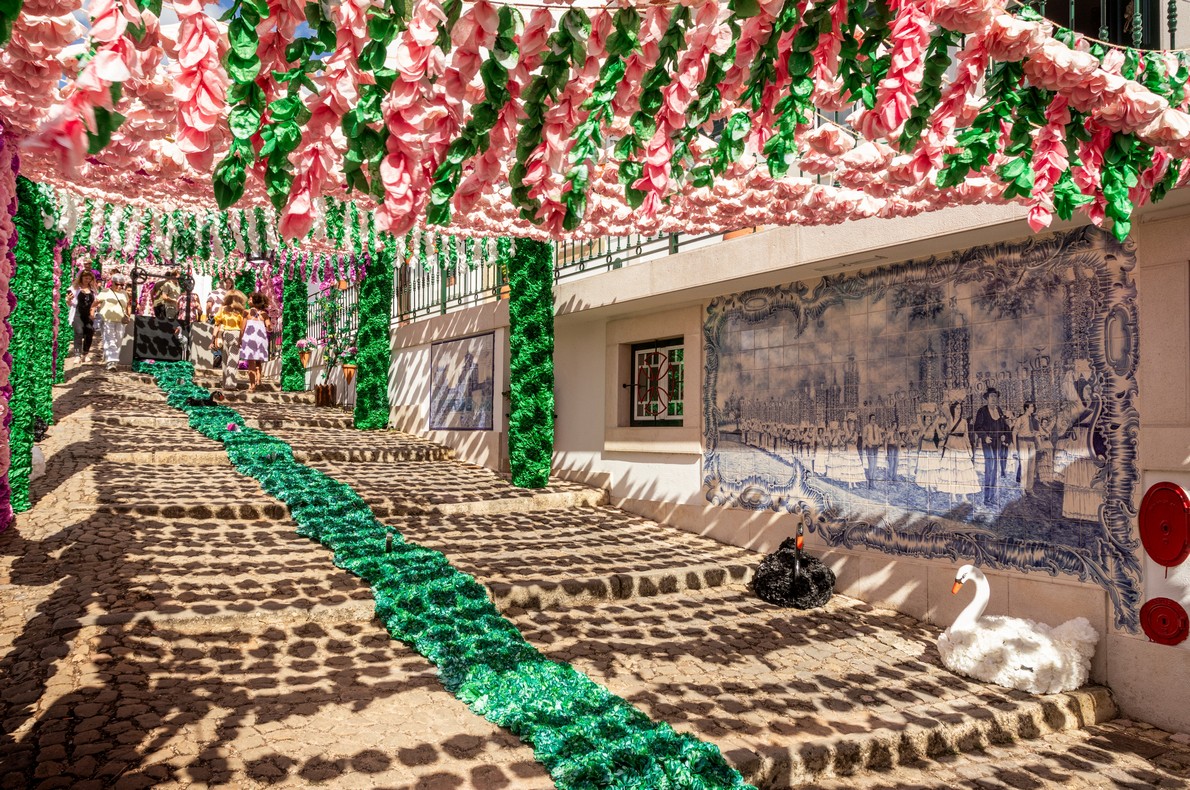
The Convent of Christ, a UNESCO World Heritage Site, crowns the city with its spiral corridors, Manueline carvings, and frescoed cloisters — a masterpiece that tells the story of Portugal’s Age of Discovery and spiritual imagination. Down below, the old town unfolds in a network of tiled façades, bookshops, and shaded squares where locals still greet each other by name.
Tomar also knows the art of simplicity. Lunch might be bacalhau à brás with a glass of white wine from the nearby Tejo region, followed by almond sweets from a local pastry shop. Evenings are for wandering by the Nabão River, watching the reflection of the castle flicker in the water — an image so serene it feels timeless.
How to get there: Book your flights to Lisbon Airport (LIS), then drive or take the train — Tomar is about 90 minutes north of Lisbon through the countryside of central Portugal.
Where to stay: Stay at the Hotel República, a refined 5-star property on the main square, combining minimalist design with warm Portuguese hospitality.

8. Rouen
France
Rouen: Light, Faith and Modern Grace
Expert Score: 16.9 / 20
Traveller Score: 16.6 / 20
Final Cultural Score: 16.75 / 20
Why it stands out: Experts admire Rouen’s Gothic grandeur and artistic legacy; travellers appreciate its luminous streets, cultural depth, and strong connection to France’s historical identity.
There’s something magnetic about Rouen — a city that wears its history without heaviness. Once one of the most powerful ports of medieval Europe, today it stands as a refined blend of heritage, creativity and quiet sophistication, where every façade seems to catch the light of the Seine.
The skyline still belongs to Rouen Cathedral, Monet’s muse and one of the most intricate Gothic masterpieces in France. Yet what makes the city fascinating today is the dialogue between the sacred and the modern: art galleries in half-timbered houses, design shops beside centuries-old churches, and a growing creative scene that brings new life to old stone.
History here feels deeply human. You can trace the steps of Joan of Arc through the old market square, or simply lose yourself in the narrow lanes of the Vieux-Marché, where the scent of fresh bread and Normandy butter fills the air.
Rouen’s culinary heritage is as rich as its art: duck à la rouennaise, apple desserts, creamy Camembert and crisp Normandy cider celebrate a terroir both humble and generous.
By evening, the city glows. The cathedral façade becomes a canvas for light projections, the riverbanks fill with conversation, and Rouen reveals what it truly is — a meeting point between the spiritual and the sensual, between France’s past and its creative present.
How to get there: Book your flights to Paris Charles de Gaulle (CDG) or Beauvais Airport (BVA), then drive or take the direct train — Rouen is about 90 minutes from Paris.
Where to stay: Stay at the Radisson Blu Hotel, Rouen Centre, a sleek 4-star property close to the historic heart.
9. Oxford
UK
Oxford: Tradition with a Pulse
Expert Score: 16.7 / 20
Traveller Score: 16.2 / 20
Final Cultural Score: 16.45 / 20
Why it stands out: Experts celebrate Oxford’s intellectual heritage and architectural elegance, while travellers enjoy its literary atmosphere, riverside serenity, and unique cultural charm.
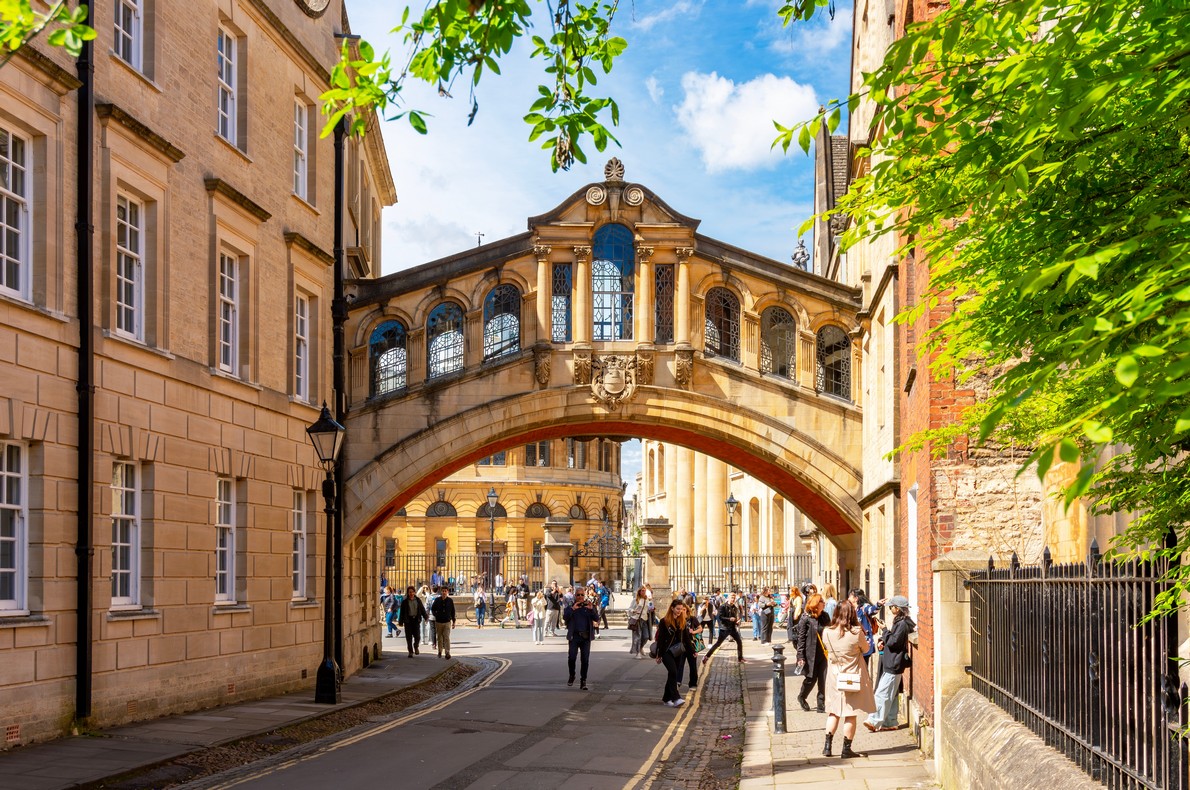
Few cities manage to feel both ancient and alive quite like Oxford. Behind its Gothic towers and quiet quadrangles, the city hums with ideas — a place where scholars, writers, and travelers share the same narrow lanes lined with bookstores and cafés.
The beauty here is intellectual as much as architectural. The Bodleian Library, Christ Church College, and the riverside paths of the Cherwell remind visitors that learning itself can be an art form. And yet Oxford also knows pleasure: afternoon tea at The Grand Café, dinner at The Old Parsonage, or a pint among locals at a centuries-old pub.
Compact, walkable and full of quiet wonder, Oxford is less a destination than a state of mind — timeless, curious, and effortlessly elegant.
How to get there: Book your flights to London Heathrow (LHR) — Oxford is just one hour by direct coach or train.
Where to stay: Stay at the Old Bank Hotel, a boutique 5-star property overlooking the High Street, where modern art and Georgian charm meet in perfect balance.

10. Graz
Austria
Graz: Austria’s Quiet Revolution
Expert Score: 16.5 / 20
Traveller Score: 16.0 / 20
Final Cultural Score: 16.25 / 20
Why it stands out: Experts highlight Graz as a model of design-conscious cultural innovation, while travellers appreciate its relaxed elegance, vibrant food scene, and beautiful architectural balance.
Graz doesn’t shout its brilliance — it lets you discover it.This European Cultural Destination and Austria’s second city is a model for how history and innovation can live side by side with ease.
Its UNESCO-listed old town, all Baroque façades and red rooftops, blends seamlessly with the Kunsthaus Graz, a bold blue bubble of contemporary art that symbolizes the city’s creative heartbeat.
Stroll across the Murinsel, a floating steel island on the river, and you’ll sense how design here is part of daily life, not a showpiece.
Food follows the same philosophy: local, inventive, and rooted in Styria’s fertile lands. From farm-to-table restaurants serving pumpkin-seed oil specialities to relaxed wine bars pouring crisp Sauvignon Blanc, Graz celebrates simplicity with quiet sophistication.
How to get there: Book your flights to Graz Airport (GRZ) — the city centre is just 20 minutes away by taxi or train..
Where to stay: Stay at the Grand Hôtel Wiesler, a stylish landmark beside the Mur River, where historic charm meets modern art and easy elegance

Plan your trip to Europe
-
Hotels, Apartments, B&B...
Fresh deals every single day
Thousands reviews you can trust
-

Tours, Sightseeing & Activities
Discover Europe’s biggest collection of things to do and guided tours.
Whatever you want to do you’ll find it here.