










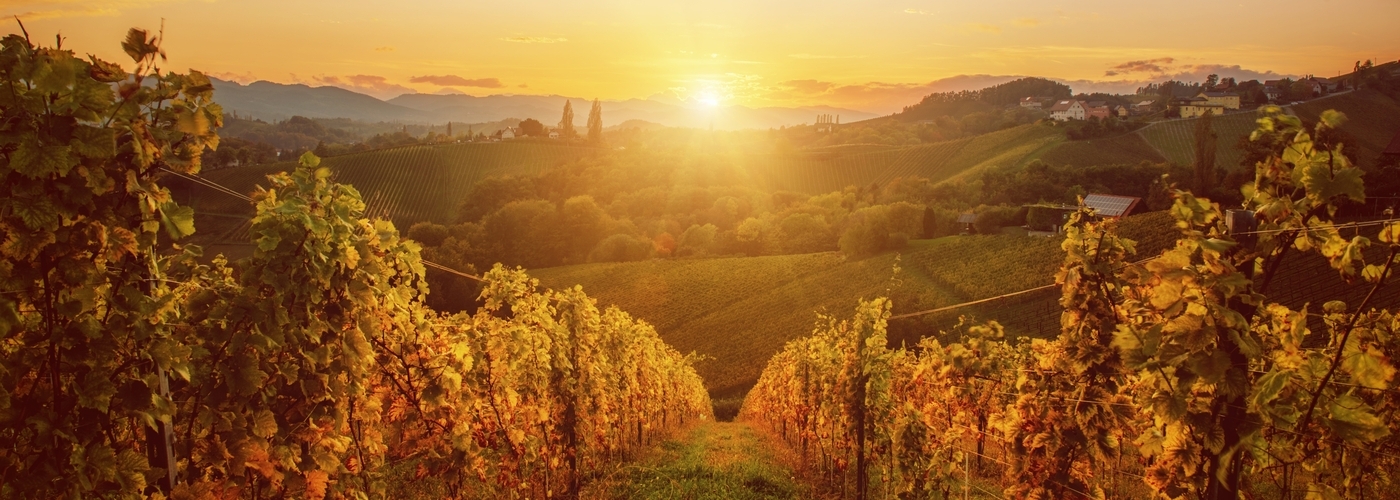

Best Wine Capitals in Europe 2026
Best Wine Capital in Europe 2026
Methodology & Selection
For the 2026 edition of Best Wine Capital in Europe, our research began with a pool of over 120 recognised wine-growing territories across Europe. To ensure comparability, we applied strict eligibility filters covering heritage, reputation, and the full ecosystem of wine tourism — from production to visitor experience.
Each territory was evaluated on 26 criteria, including:
-
Continuity and age of winemaking traditions
-
Diversity and historical importance of grape varieties
-
Vineyard surface and density around the city
-
International ratings and reputation of local wines
-
Sustainability in viticulture and support to local economy
-
Wine tourism infrastructure (cellar doors, tasting rooms, wine routes)
-
Wine-focused gastronomy and restaurants
-
Wine-centered wellness experiences (vinotherapy, grape-based treatments)
-
Cultural integration of wine (festivals, events, seasonal celebrations)
-
Value for money across tastings, bottles, dining and guided visits
-
Accessibility and ease of planning a wine-focused trip
After applying these filters, a longlist of 31 destinations remained — cities that genuinely embody Europe’s wine heritage and offer a meaningful wine-tourism experience.
From this longlist, the top-scoring destinations form the 2026 official ranking.
Book your hotel, guesthouse, B&B, apartment or villa at the best price and discover the best destinations for wine lovers in Europe.
Need more inspiration? Discover the Best Gastronomical Destinations in Europe as well as the Most Romantic Destinations in Europe.



1. Maribor
Slovenia
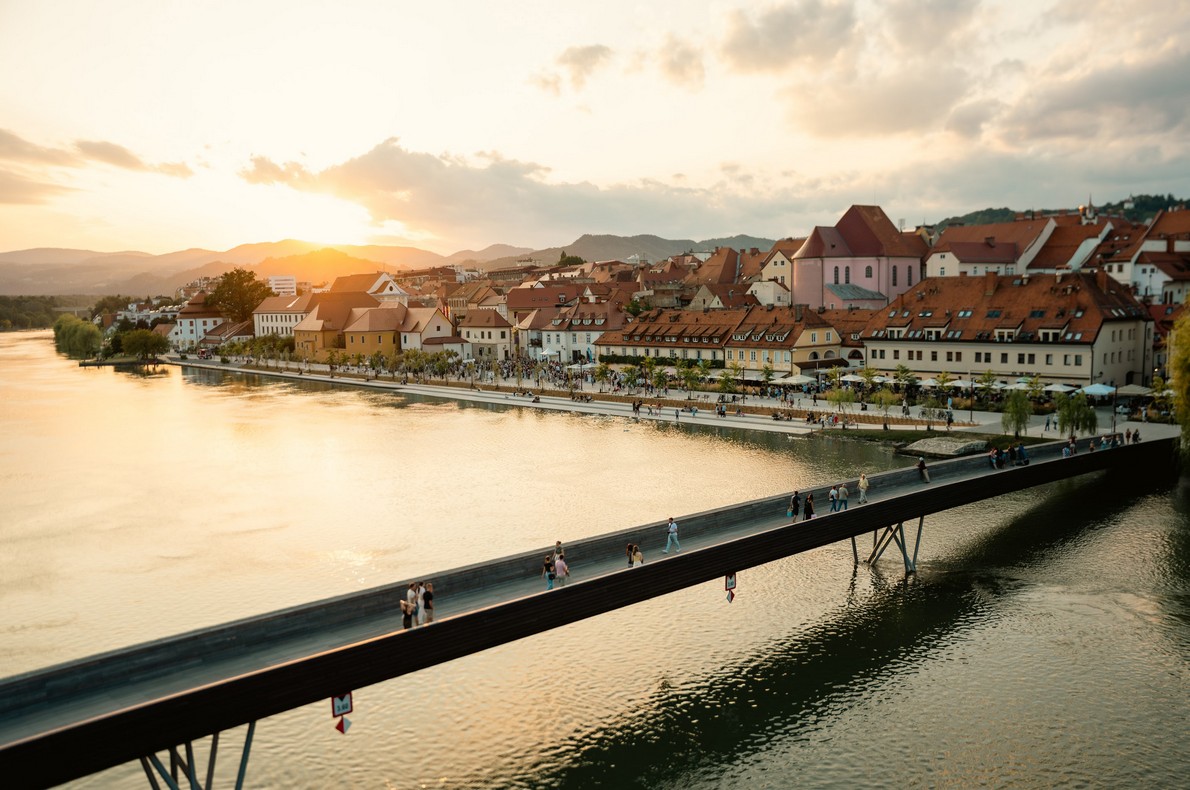
Maribor, Slovenia - Best Wine Capital in Europe 2026
EU Wine Capital Index: 9.8 / 10
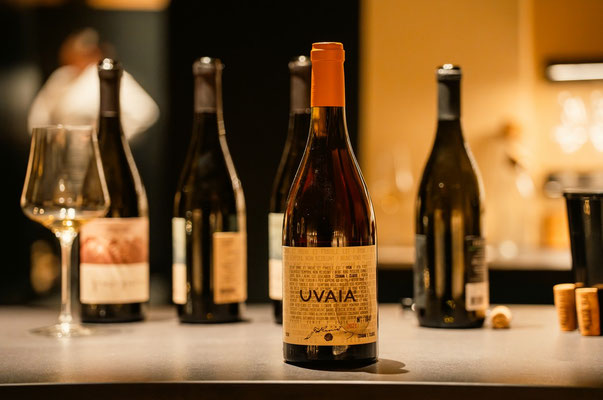
Maribor has been named Best Wine Capital in Europe 2026, and it only takes a few minutes in the city to understand why. Set at the heart of Slovenia’s largest wine-growing region, this riverside city blends deep tradition with a youthful, creative energy — the kind of place where ancient vineyards meet modern wine bars, and where every street feels connected to the rhythm of the harvest.
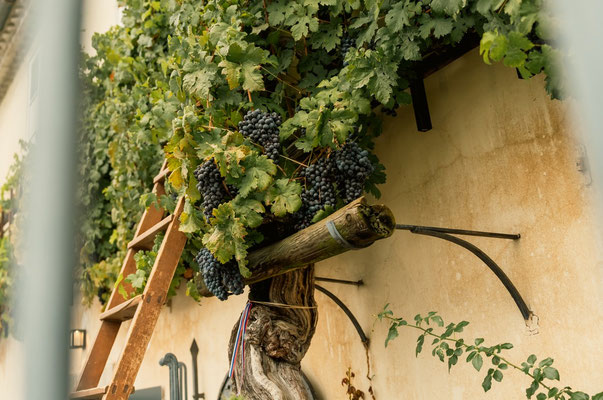
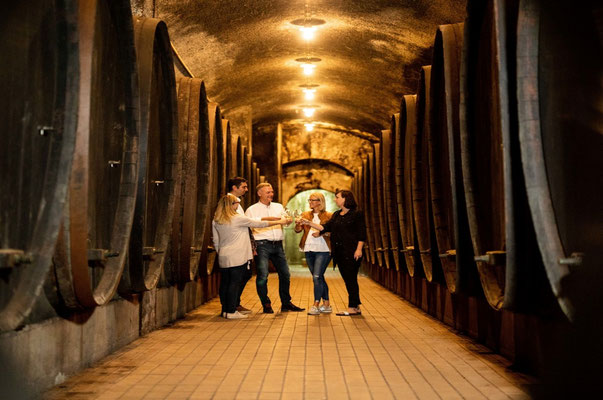
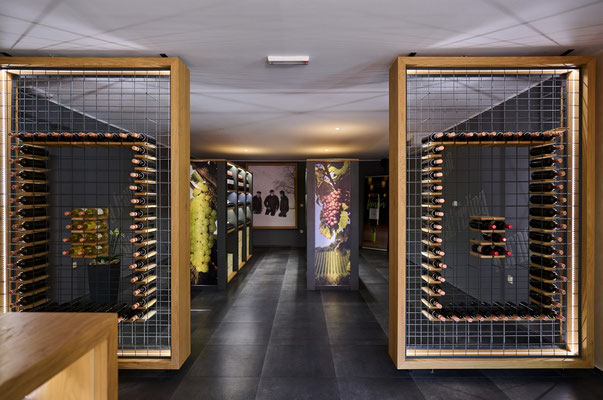
At its centre stands a global icon: the world’s oldest noble grapevine, more than 450 years old and still bearing fruit. It is more than a Guinness World Record — it is the city’s symbol of resilience, craftsmanship and continuity. Just steps away, Vinag, one of Europe’s largest historic underground wine cellars, stretches beneath the old town like a forgotten labyrinth, offering tastings that feel both atmospheric and authentic.
Surrounded by the cool-climate vineyards of the Štajerska Slovenija region, Maribor produces some of Europe’s most expressive whites: Šipon (Furmint), Laški Rizling, Sauvignon Blanc, Chardonnay, Traminer, and increasingly elegant sparkling wines. Visitors can explore everything from intimate family-run cellars to panoramic estates overlooking Austria and the Pohorje mountains.
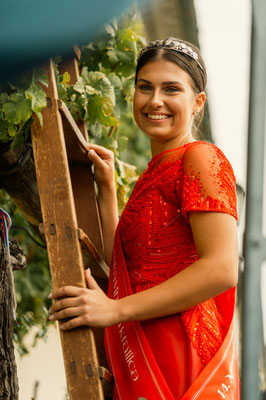
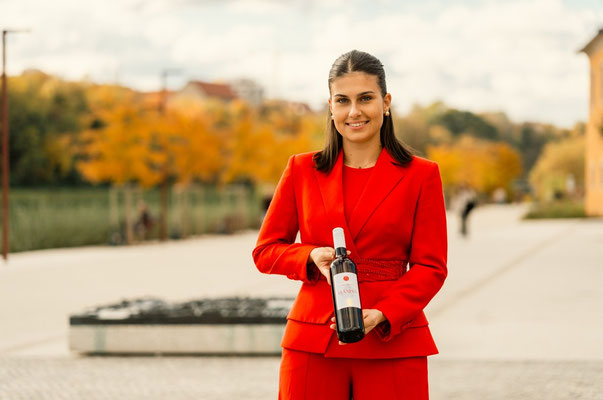
Wine culture here isn’t an accessory — it’s identity. From St. Martin’s Day celebrations to the election of the Maribor Wine Queens, traditions run deep, connecting Roman roots to contemporary innovation. The sound of the klopotec, the region’s iconic wooden wind-rattle guarding the vineyards, fills the hills each autumn during harvest season.
Maribor’s culinary scene completes the experience: riverside wine bars, farm-to-table restaurants, and signature events like the Velvet Dinner, an open-air feast under the stars pairing award-winning Styrian wines with refined seasonal dishes.
Whether you come in spring for crisp young wines and fresh greenery, or in autumn when the hills turn gold, Maribor offers the perfect blend of culture, gastronomy and nature — a soulful, undiscovered wine city where authenticity is not curated but lived.
Nearest airports: Book your flights to Ljubljana (LJU) or Graz (GRZ) — Maribor is 1–1h15 by car.
2. Bordeaux
France
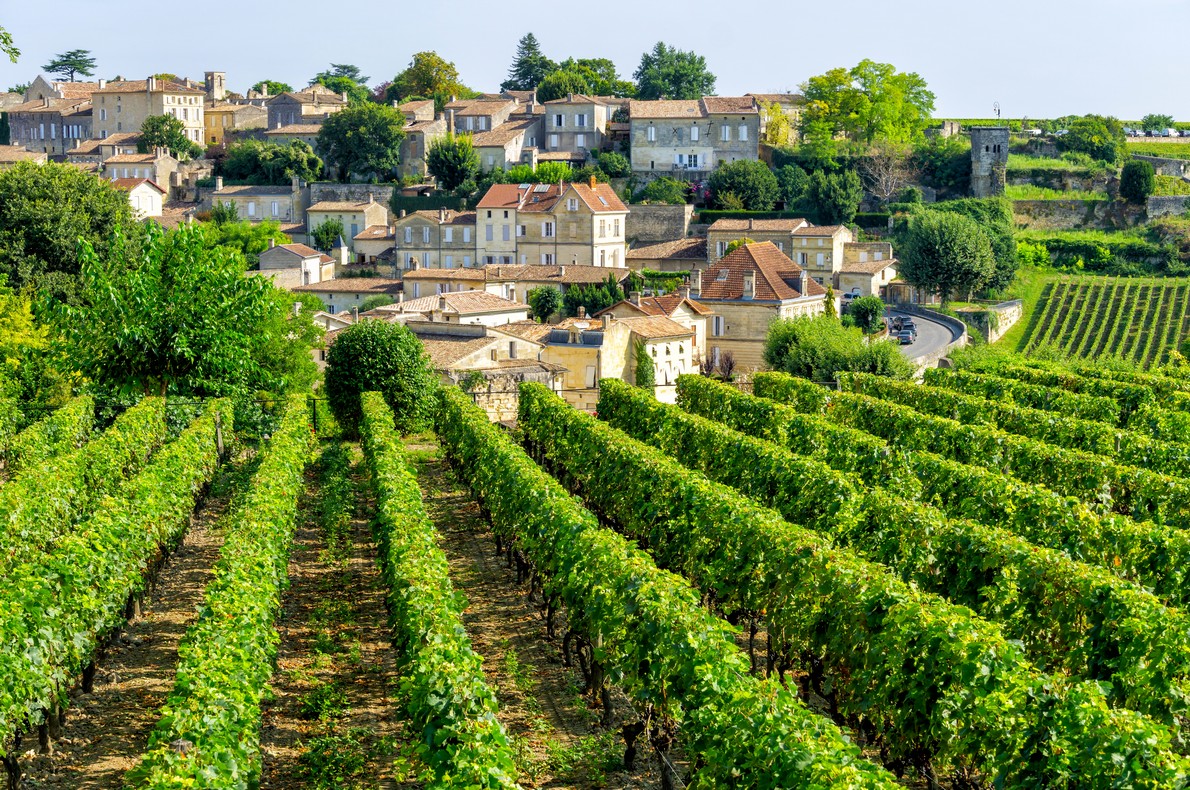
Bordeaux, France - The Global Benchmark of Wine Cities
EU Wine Capital Index: 9.7 / 10
With its UNESCO riverfront and proximity to the Médoc, Saint-Émilion and Graves, Bordeaux remains the world’s quintessential wine metropolis. Explore La Cité du Vin, enjoy riverside tastings during Bordeaux Fête le Vin, and tour châteaux that have shaped global wine culture for centuries.
At the heart of the wine-and-wellness experience lies the luxury estate Les Sources de Caudalie, nestled among the vineyards of Château Smith Haut Lafitte. Here, the Vinothérapie® spa concept invites you to indulge in treatments derived from grape-vine and grape-seed extracts—think baths of crushed grapes, scrubs made from Cabernet marc, massages with vine-oil blends, and facials built around antioxidant-rich grape polyphenols.
Cabernet-Merlot blends dominate the nearby appellations, complemented by illustrious whites and late-harvest treasures from Sauternes and Barsac. Bordeaux is prestige, history and sophistication in one.
How to get there: Fly to Bordeaux–Mérignac (BOD) — 30 minutes to the city centre.
3. Porto
Portugal
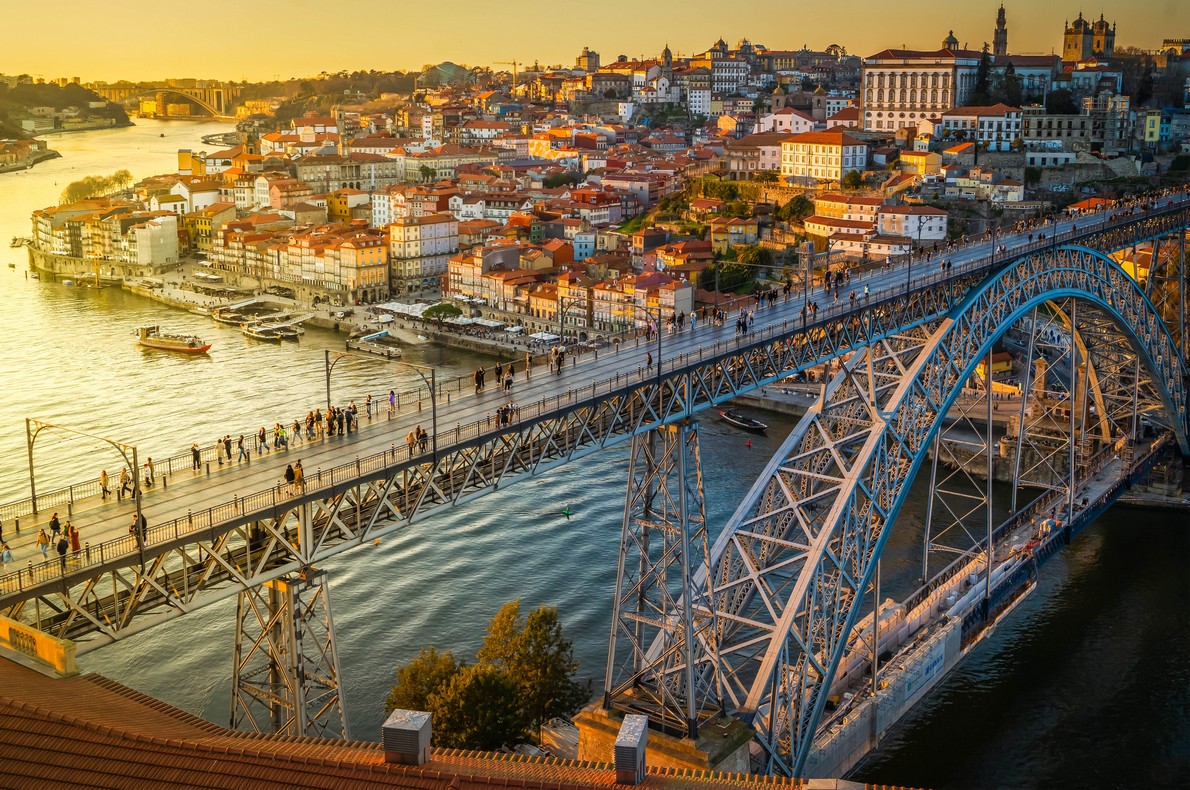
Douro Soul & Atlantic Elegance
EU Wine Capital Index: 9.5 / 10
Across the Douro River from Porto’s Ribeira lies the mythical world of Vila Nova de Gaia, where historic port lodges age and blend wines from the Douro Valley.
Tastings here feel timeless — vaulted cellars, river views and centuries of tradition.
Beyond port, Porto is now a gateway to acclaimed Douro DOC still wines. The city blends ocean breeze, medieval charm and a vibrant gastronomy scene powered by young chefs.
How to get there: Fly to Porto (OPO) — 25–30 minutes to Gaia or Ribeira.

4. Haro, La Rioja
Spain
Haro, the emotional heart of La Rioja
EU Wine Capital Index: 9.4 / 10
Haro is the historical and emotional heart of La Rioja, one of the world’s most celebrated wine regions. Known as La Capital del Rioja, the town hosts the legendary Barrio de la Estación, home to the oldest cluster of centenary wineries in Spain. Here, icons such as López de Heredia, CVNE, Muga and La Rioja Alta open their doors to offer deep cellar tours, barrel tastings and immersive journeys into the soul of Tempranillo.
Beyond its premium reds, Haro is also a gateway to Rioja’s rising whites and rosados, crafted with Viura, Tempranillo Blanco and Garnacha Blanca. Cobblestone streets lead to tapas bars where locals savour small plates paired with glasses of Crianza and Gran Reserva.
Visit in late June to witness the world-famous Wine Battle (La Batalla del Vino), where thousands celebrate with joy, music and Rioja colour in a truly unforgettable festival.
How to get there: Fly to Bilbao (BIO) or Vitoria (VIT) — both around 1h–1h15 by car.
5. Tokaj
Hungary
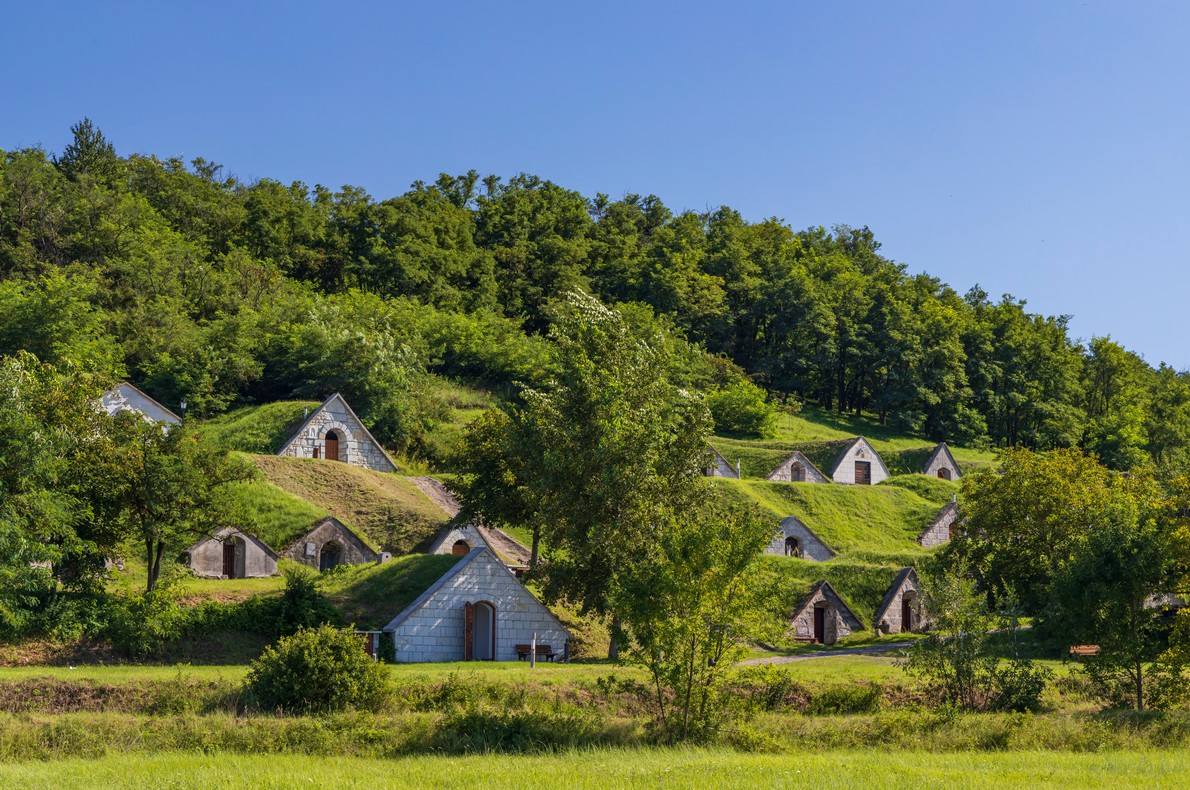
Tokaj, Hungary - A UNESCO Masterpiece of Wine
EU Wine Capital Index: 9.2 / 10
Tokaj is a name that resonates far beyond wine circles. As the cradle of Tokaji Aszú, once prized in royal courts from Vienna to Versailles, this small town offers visitors a journey through centuries of craftsmanship.
The region’s volcanic soils, hillside vineyards and labyrinthine cellars—coated with the region’s distinctive noble mould—create an atmosphere found nowhere else in Europe.
Today, a new generation of winemakers is reinvigorating Tokaj with exceptional dry Furmint and Hárslevelű, showcasing purity, tension and mineral depth. Tasting rooms range from intimate family estates to cutting-edge architectural cellars. The town’s relaxed pace, charming squares and riverside setting make it ideal for slow, contemplative exploration.
Autumn is magical, with morning mists settling over golden vineyards and harvest festivities animating the valleys.
How to get there: Fly to Budapest (BUD) — about 2.5–3 hours by car or train.

6. Beaune
France
Beaune, France - The Soul of Burgundy
EU Wine Capital Index: 9.1 / 10
Beaune is a pilgrimage site for lovers of Pinot Noir and Chardonnay. Encircled by the world-famous vineyards of the Côte de Beaune and Côte de Nuits, this medieval gem blends deep tradition with understated sophistication.
Walking its narrow streets brings you past tasting rooms, ancient cellars, artisanal shops and elegant restaurants celebrating Burgundian terroir.
The city’s emblematic event, the Hospices de Beaune Wine Auction, draws global attention every November, setting the benchmark for Burgundy’s vintage and reaffirming Beaune’s central role in wine culture. Visitors can follow the Route des Grands Crus, exploring villages like Pommard, Volnay, Meursault and Puligny-Montrachet—all within minutes of the city.
Gastronomy shines, with Michelin-starred tables serving pairings that elevate Burgundy’s delicate wines. Vineyards take on striking colours in late September and October, offering the perfect backdrop for tastings and countryside walks.
How to get there: Fly to Lyon (LYS) or Paris (CDG/ORY), then continue by high-speed train to Beaune.
7. Bolzano
Italy
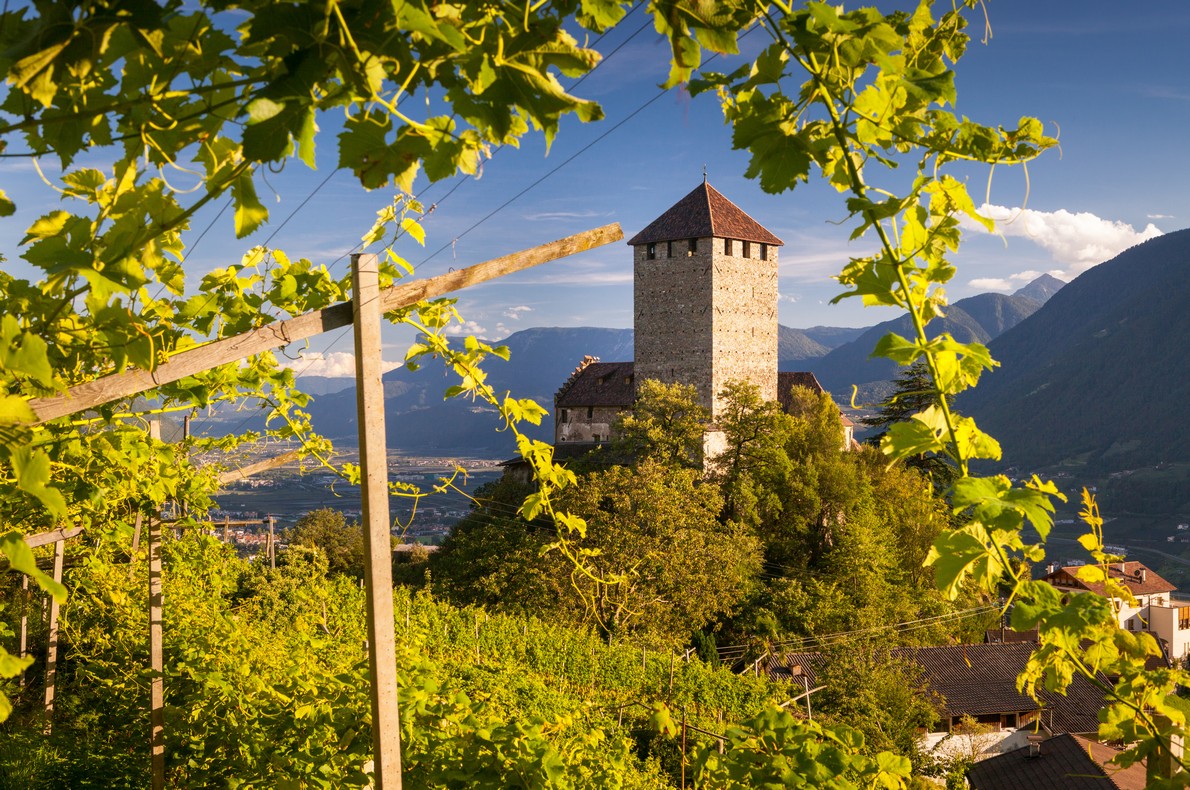
Bolzano, Italy, Alpine Wine Sophistication
EU Wine Capital Index: 9.0 / 10
In Bolzano, vineyards spill down from the Dolomites into a stylish Italian city alive with cafés, markets, design boutiques and German-Italian bilingual culture.
This is the capital of South Tyrol’s wine road, where sun-soaked slopes host native grapes like Lagrein and Schiava/Santa Maddalena, alongside mineral-driven white varieties.
Wineries blend architecture and tradition: contemporary cantinas overlook terraced hills, while centuries-old farm estates offer tastings in rustic cellars. Days in Bolzano often mix vineyard walks, alpine hikes, and leisurely lunches featuring speck, mountain cheeses and aromatic wines.
The contrast of Alpine air with Mediterranean light gives the region a unique microclimate, ideal for producing structured reds and crisp whites with outstanding purity. Autumn brings postcard landscapes, with blazing vineyards set against the jagged peaks of the Dolomites.
How to get there: Fly to Verona (VRN) or Innsbruck (INN) — around 1.5–2 hours by car.
8. Trier
Germany
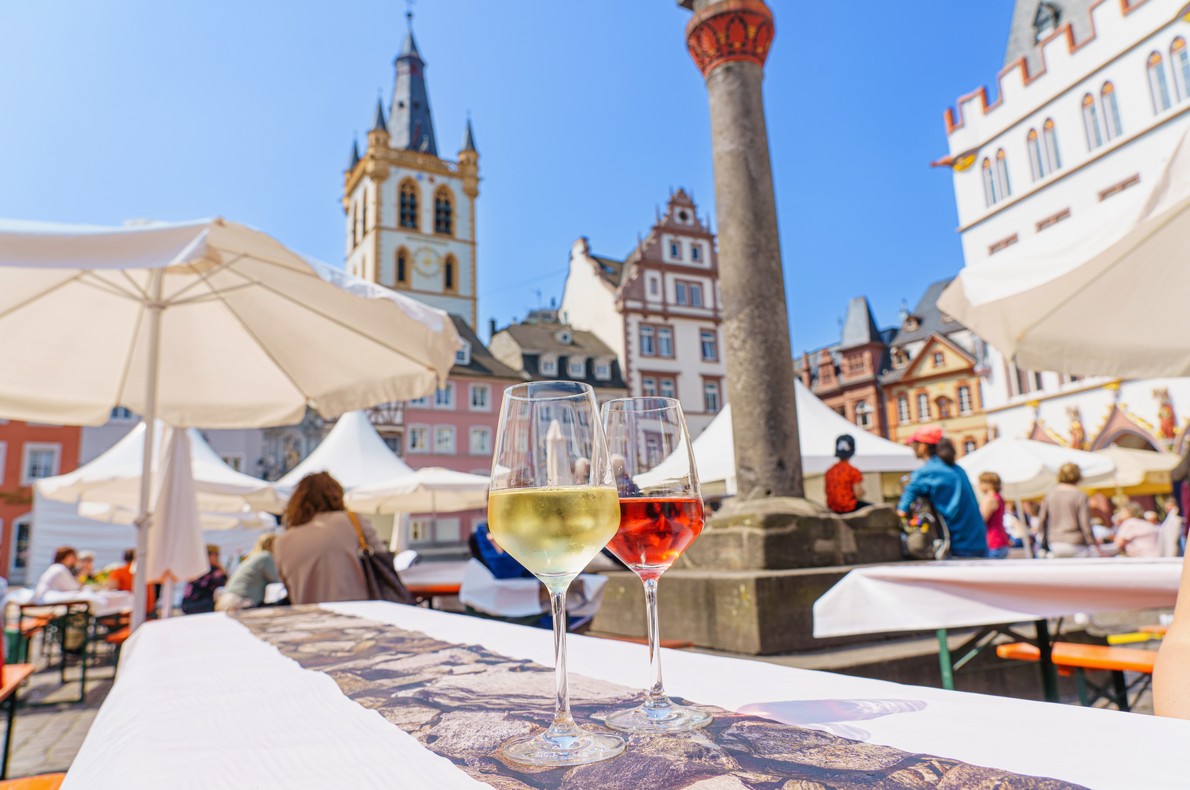
Trier, Germany - Capital of the Mosel & the World's Greatest Rieslings
EU Wine Capital Index: 8.9 / 10
Trier, the oldest city in Germany and a jewel of Roman heritage, is also the cultural gateway to the Mosel wine region, birthplace of some of the finest Rieslings on Earth. Nestled between slate cliffs and vineyard terraces that plunge dramatically toward the river, Trier is a wine destination defined by precision, purity and breathtaking landscapes.
The Mosel’s steep slopes produce Rieslings of exceptional finesse — wines known for their crystalline minerality, electric acidity and age-defying structure. Around Trier, you’ll find some of the most revered vineyards in Europe: Bernkastel, Ürzig, Wehlen, Piesport, and the mythical Scharzhofberg near Wiltingen. Tastings often take place in centuries-old cellars, where the quiet coolness contrasts with the aromatic intensity of the wines.
Trier blends culture and wine seamlessly: Roman gates and amphitheatres, baroque palaces, river cruises at sunset, gourmet restaurants pairing contemporary cuisine with grand Rieslings, and cosy wine bars celebrating every nuance of the Mosel terroir. The region is especially enchanting in late spring and autumn, when the vineyards shimmer in green or gold.
How to get there: Fly to Luxembourg Airport (LUX) — about 30 minutes by car.
Alternative: Frankfurt-Hahn (HHN) — approx. 1 hour.
9. Bolgheri
Italy
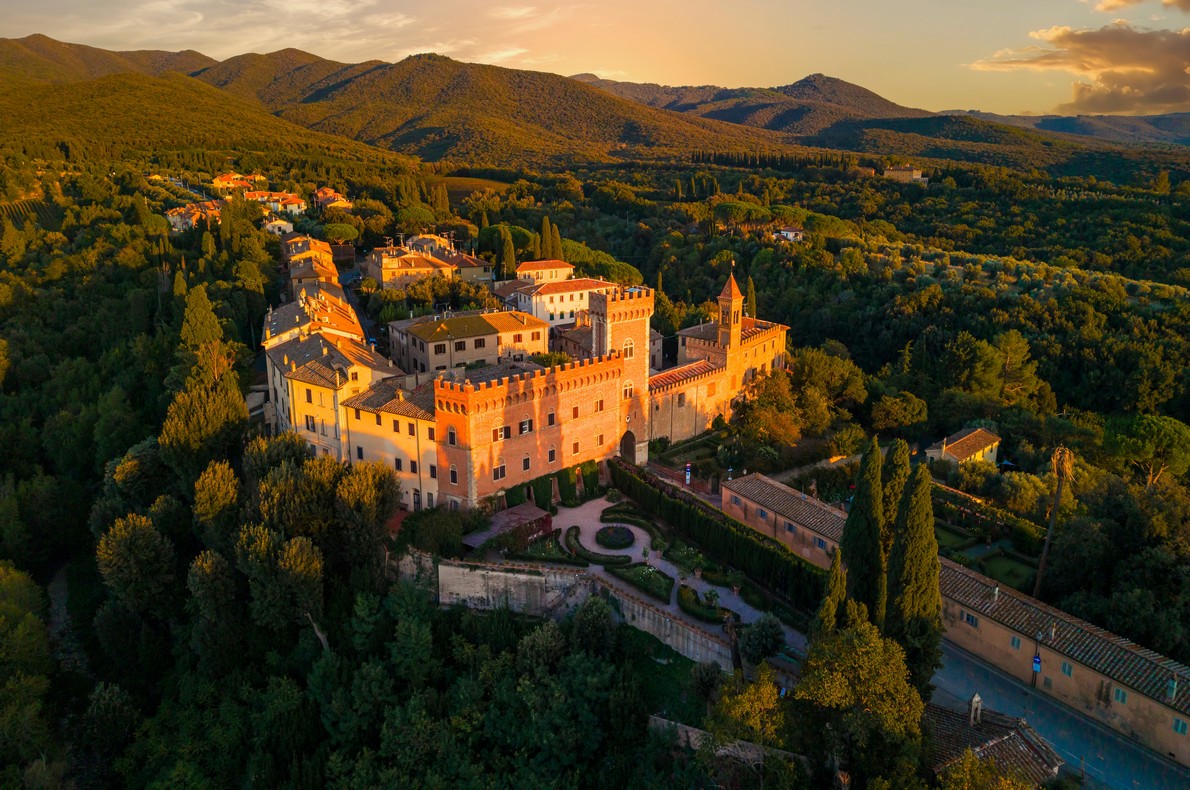
Bolheri, Italy - Home of the Super Tuscans & Coastal Elegance
EU Wine Capital Index: 8.8 / 10
Set between cypress-lined avenues, medieval hamlets and the soft glow of the Tyrrhenian Sea, Bolgheri is one of Europe’s most prestigious yet understated wine capitals. This is the birthplace of the Super Tuscan revolution — wines like Sassicaia, Ornellaia, Masseto and Guado al Tasso, which challenged tradition, embraced Bordeaux varieties and rose to global acclaim.
Today, Bolgheri offers a sensory world unlike any other in Italy: Cabernet Sauvignon shaped by Mediterranean breezes, Merlot ripened under Tuscan sunlight, and artisanal wineries blending innovation with centuries-old culture.
The Viale dei Cipressi, a 5-kilometre avenue of arrow-straight cypress trees, leads to Bolgheri’s stone village, where wine bars, tasting rooms and elegant restaurants exalt the region’s terroir through dishes rich in olive oil, seafood, pecorino and grilled meats.
Beyond the wine, travellers find boutique hotels, coastal bike routes, pine forests leading to quiet beaches, and views that stretch to Elba Island.
Bolgheri is a masterclass in refined simplicity — sophisticated yet laid-back, luxurious yet authentic.
Visit from April to June for emerald vineyard greens, or in September–October for harvest energy and golden sunsets.
How to get there: Fly to Pisa (PSA) — around 45
minutes by car.
Alternative: Florence (FLR) — approx. 1h30.
10. Verona
Italy
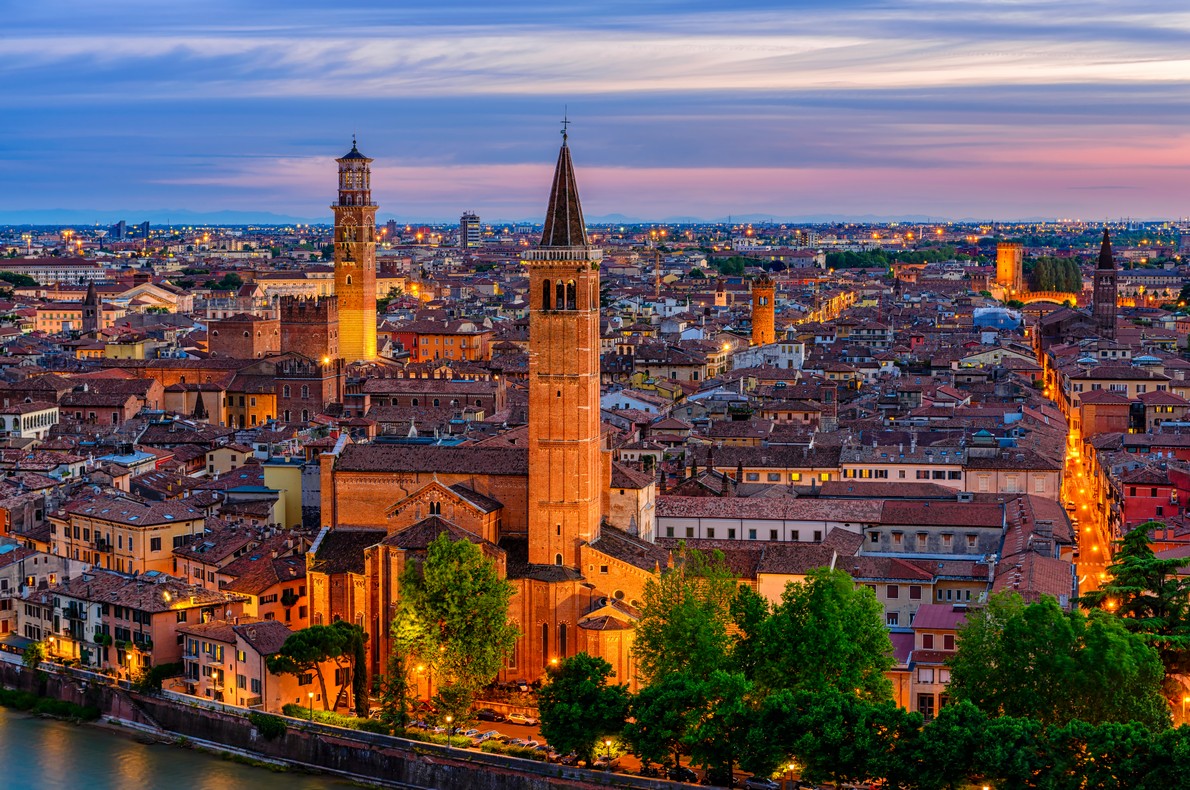
Verona, Italy - Between Valpolicella, Soave and Lake Garda
EU Wine Capital Index: 8.7 / 10
Verona is a cultural treasure set between three iconic wine landscapes: Valpolicella, Soave and Lake Garda. This strategic position makes the city a perfect base to discover powerful Amarone, elegant Garganega whites, refreshing Bardolino rosés and the refined mineral notes of Lugana wines.
Within minutes of the historic centre’s Roman arena and cobbled piazzas, vineyards stretch across gentle hills dotted with Romanesque churches and stone farmhouses. Tastings range from family-run estates to architectural showpiece wineries with sweeping terraces and barrel halls carved into rock.
Verona also hosts Vinitaly, one of the most influential wine fairs on the planet, drawing global experts and enthusiasts each spring.
How to get there: Fly to Verona (VRN) — around 15 minutes to the historic centre.

Plan your trip to Europe
-
Hotels, Apartments, B&B...
Fresh deals every single day
Thousands reviews you can trust
-

Tours, Sightseeing & Activities
Discover Europe’s biggest collection of things to do and guided tours.
Whatever you want to do you’ll find it here.